Nick’s Story
Getting Better. Not Bitter
Nick Morrison didn’t plan on becoming a keynote speaker.
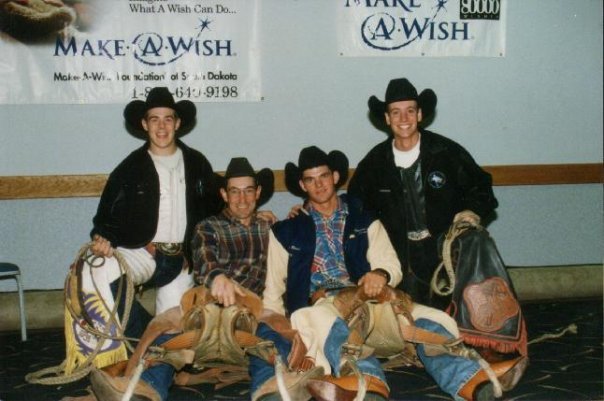
He planned on riding bulls.
From the beginning, Nick pursued professional bull riding. A sport built on risk, pressure, and split-second decisions. Success depended on focus, confidence, and the ability to stay calm while everything around him was chaotic. It was a life that demanded mental toughness every single day.
Then, at 21 years old, it ended instantly.
A catastrophic injury forced him to walk away from the career that had shaped his identity and future. For the first time, Nick faced a challenge he couldn’t solve with determination alone. He had to rebuild direction, confidence, and purpose from scratch.
But the hardest moment in his life didn’t come in the arena.
Years later, a medical reaction caused severe neurological complications and Nick lost the ability to speak. Not temporarily. Completely.
He had to relearn communication one word at a time.
Simple conversations became exhausting. Progress was slow. Frustration was constant. And for someone whose personality had always been outgoing and energetic, the emotional challenge was even harder than the physical one.
Nick discovered something during that season:
The real struggle wasn’t pain or difficulty.
It was continuing to move forward on the days he felt stuck.


Why Nick Speaks
Nick doesn’t share his story to impress audiences.
He shares it because the same moment happens in workplaces every day.
Employees face setbacks.
Plans change.
Confidence drops.
Motivation fades.
Most people don’t literally quit — but they quietly disengage. They stop believing they can improve, stop taking initiative, and stop performing at their best.
Nick’s message isn’t about pretending challenges don’t exist.
It’s about what to do after discouragement shows up.
Through his keynote programs, he teaches audiences how to reset their mindset, regain confidence, and keep moving forward when progress feels slow, uncertain, or frustrating.
Why Comedy Matters
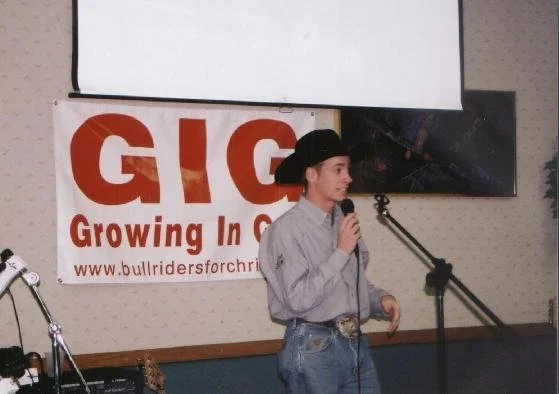
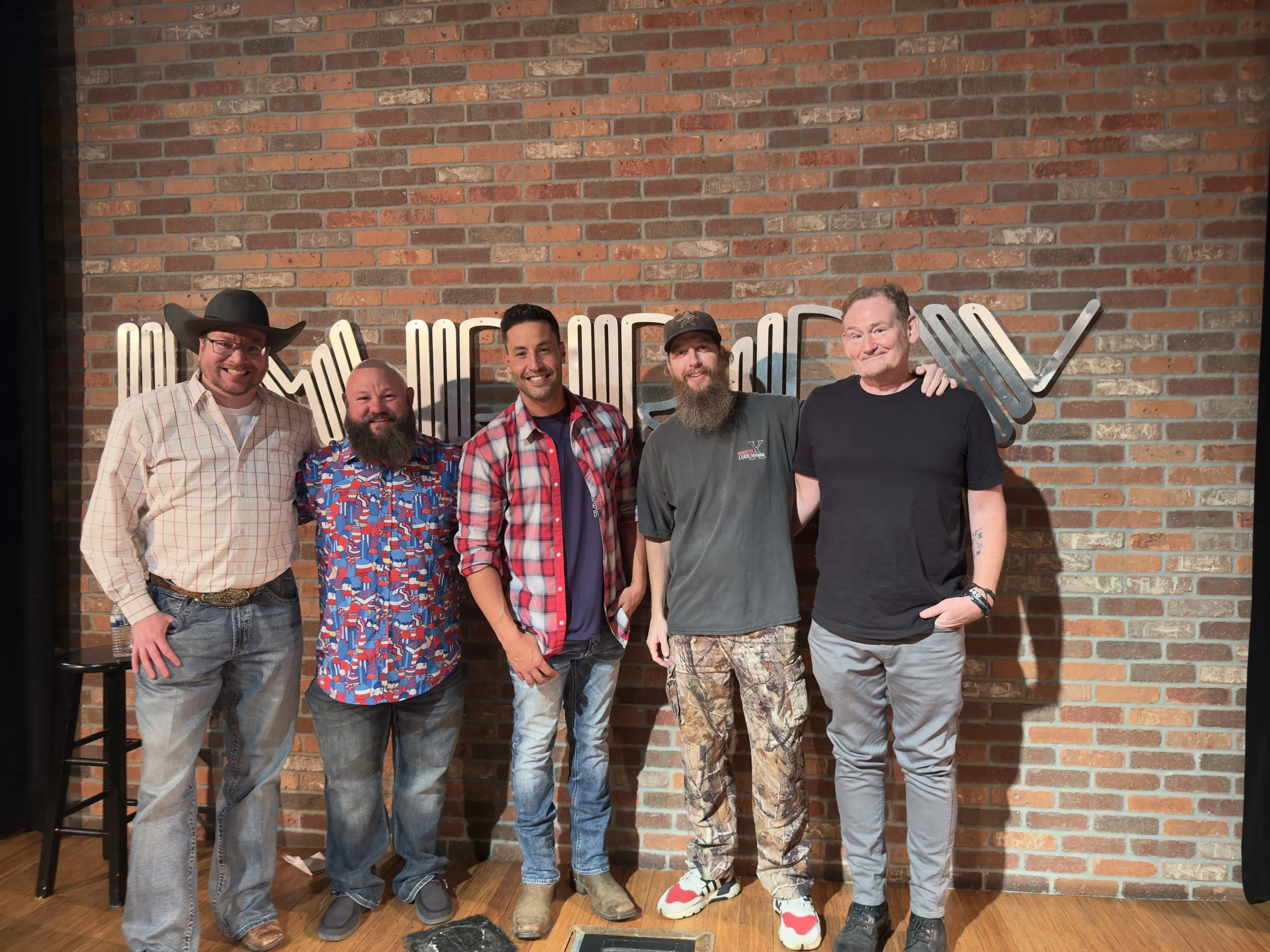
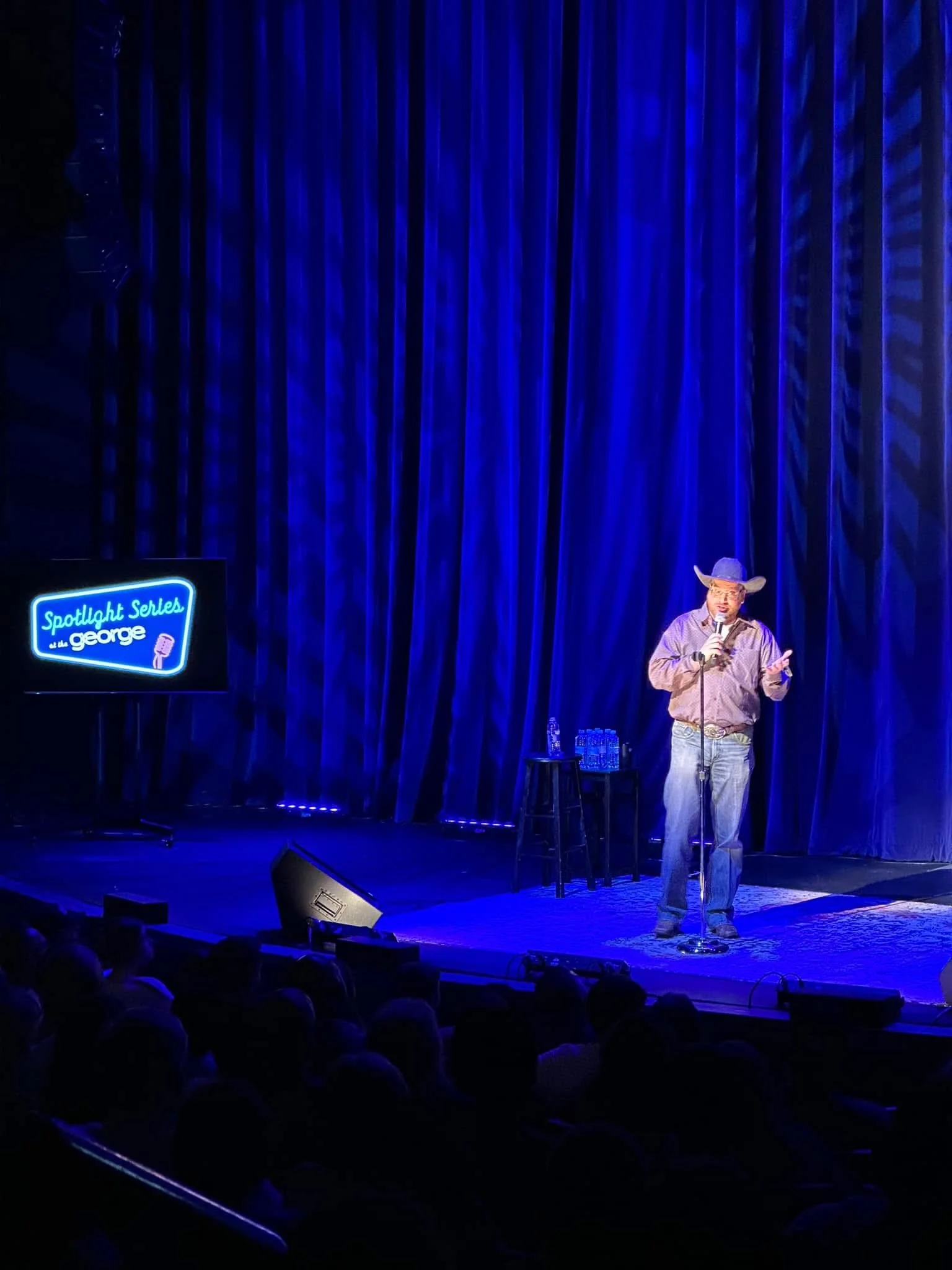
Before speaking professionally, Nick began performing stand-up comedy.
At first, it wasn’t a career decision, it was therapy.
Learning to laugh again was part of rebuilding his confidence and identity after losing his voice. Comedy forced him to practice communication, timing, and connection in front of strangers. It taught him how people think, how they process stress, and why humor lowers resistance to learning.
Today, that background shapes his speaking style.
Nick’s keynotes are not lectures.
They are conversations.
Audiences don’t just listen, they relax, relate, and recognize themselves in the stories he shares. Humor allows people to reflect honestly without feeling judged, which makes the message memorable long after the event ends.
Event planners often describe his sessions as engaging, approachable, and refreshingly real.
What Makes His Message Different
Nick is not a “never quit” speaker.
He is a “what to do when you feel like quitting” speaker.
His programs focus on practical mental strategies people can immediately apply at work and in life, including:
• Handling pressure without shutting down
• Rebuilding confidence after mistakes
• Maintaining motivation during change
• Focusing on what you can control
• Regaining momentum after bad days
These tools resonate because they aren’t theoretical, they were developed through real experiences that required persistence, patience, and a long-term mindset.
Today
Today, Nick Morrison speaks to associations, leadership teams, educators, and organizations across the country. His audiences range from frontline employees to executives, because the challenges he addresses — discouragement, change, and pressure — affect everyone.
He believes resilience isn’t about being fearless or always positive.
It’s about learning how to continue showing up, contributing, and improving even when circumstances aren’t ideal.
And sometimes, the most powerful step forward is simply deciding not to stay stuck.